
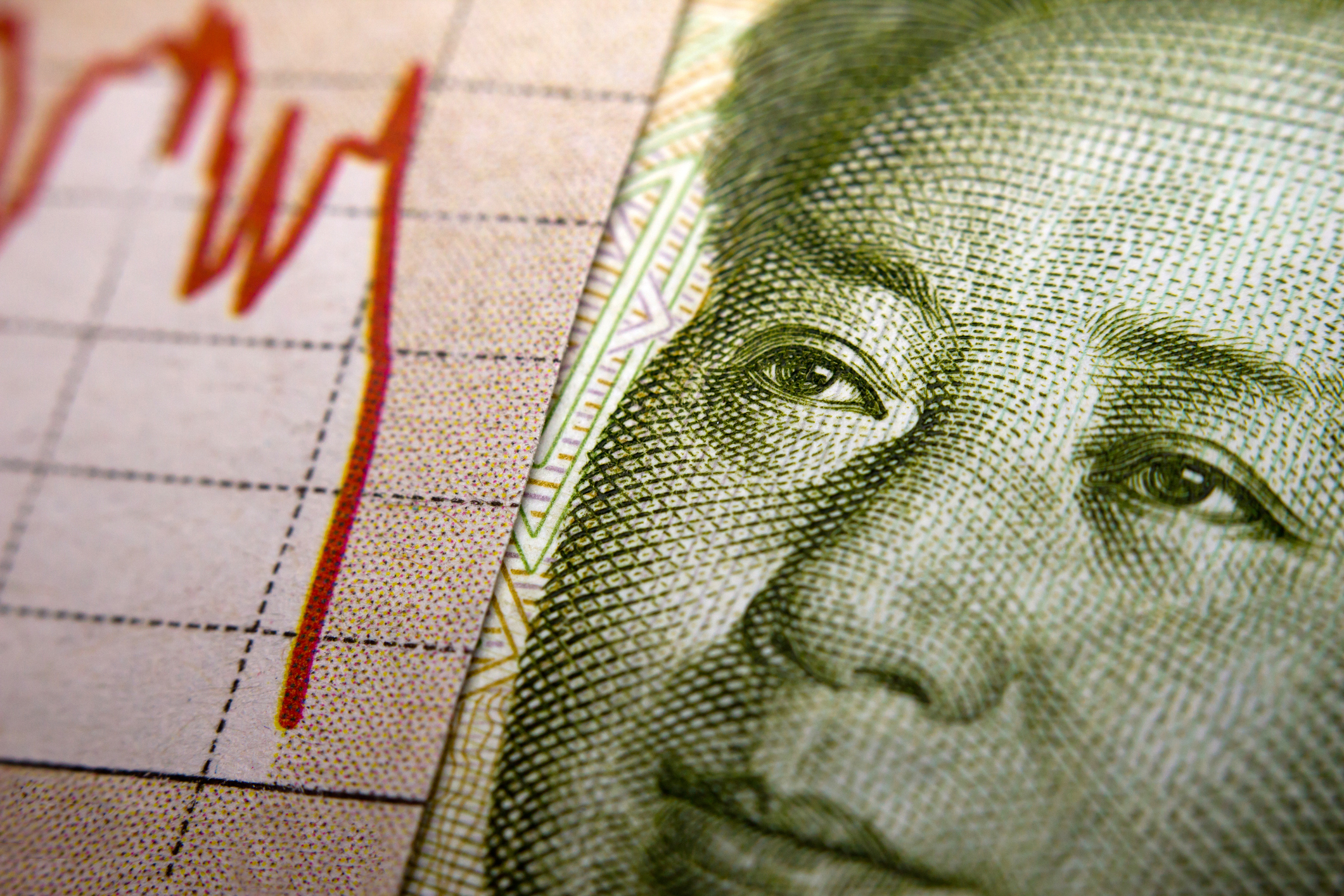
In the event of a Chinese economic recession, how will the United States’ critical minerals economy be directly affected? A Chinese recession would probably produce an initially favorable but ultimately dangerous result for the United States: many critical mineral prices would fall, yet America’s ability to establish independent supply chains would deteriorate.
The essential distinction is between commodities that China consumes and materials that China both processes and controls.
The Immediate Effects
A Chinese recession would reduce Chinese demand for copper, lithium, nickel, cobalt, iron ore and, to some extent, graphite and rare earths. Construction, electric vehicle production, consumer electronics and industrial investment would slow. Because China is such a large marginal consumer, world prices would fall—possibly sharply.
That would benefit American users of:
- Copper and aluminum
- Battery materials
- Specialty steels
- Magnets, catalysts and electronic materials—if Chinese exports remained available
- Imported Chinese components containing critical materials
American manufacturers might therefore experience a temporary reduction in material and component costs. Inflation would ease, and China might export more batteries, motors, magnets, solar equipment, and electronics to keep its factories operating. But this would not mean that American mineral security had improved.
China Would Probably Export Its Recession
China has historically responded to excess industrial capacity by maintaining production and pushing the surplus into export markets. A recession could therefore generate another wave of extraordinarily cheap Chinese metals, chemicals and finished components. The effect on prospective American production would be severe:
| Part of the U.S. supply chain | Probable effect |
| Proposed mines | Lower prices reduce economic viability and financing |
| Separation plants | Chinese prices may fall below Western operating costs |
| Metal and alloy production | New plants struggle to obtain customers and working capital |
| Magnet and battery-material plants | Face cheap Chinese finished-product competition |
| Recycling | Lower virgin-material prices reduce the value of recovered material |
| Junior mining companies | Equity values and access to capital decline |
| Existing manufacturers | Lower input prices, but greater dependence on Chinese supply |
Thus, the greatest American casualty might not be current production. It would be the proposed projects upon which Washington’s supply chain policy is based.
The IEA had already found that low prices weakened investment before any major Chinese recession: real growth in critical mineral investment was only about 2% in 2024, and new entrants were particularly affected. Its 2026 Outlook reports that critical mineral investment subsequently declined by 9% in 2025. China remains the leading refiner for 19 of 20 important strategic minerals tracked by the IEA, with an average share of approximately 70%.
Cheapness and Availability Are Not the Same Thing
China might increase exports of ordinary industrial products while continuing to restrict strategically important materials and technologies. Beijing could regard a recession as a reason to conserve domestic employment and protect its remaining industrial advantages—not as a reason to liberalize exports.
This produces several possible combinations:
- Nickel, lithium and cobalt prices could fall because of weaker Chinese demand.
- Chinese magnets might become cheaper in markets where China wanted to preserve market share.
- Dysprosium, terbium, gallium, germanium, antimony or particular graphite products could remain restricted.
- Processing technology, equipment and skilled personnel could remain unavailable regardless of mineral prices.
- Export licenses could be directed toward politically favored customers and denied to strategically sensitive American users.
China’s 2025 rare earth restrictions have already demonstrated that a market may be statistically adequately supplied while certain foreign factories cannot obtain qualified material. Some automakers were forced to reduce or suspend production. This is why the market price of neodymium oxide tells us very little about whether an American manufacturer can obtain an approved magnet, alloy, or component when it needs one.
America’s Particular Exposure
The United States remains highly dependent on imports not merely for ores but for processed materials. The USGS Mineral Commodity Summaries 2026 reports that China remained a major source for 14 of the 33 critical minerals for which the United States was most dependent on imports. This data showssubstantial Chinese exposure in yttrium, rare earth compounds and metals, antimony, natural graphite, bismuth, gallium and numerous other materials (USGS Import Reliance Data). The United States is consequently exposed to two opposite dangers at the same time:
- Chinese oversupply, which can destroy the economics of American capacity.
- Chinese withholding, which can stop American manufacturing.
China could even use both policies simultaneously, selling abundant, low-priced material into commercial markets while restricting the grades, technologies, or finished forms needed for defense, aerospace, semiconductors, and advanced electronics.
The Financial Consequences
A serious Chinese recession would probably cause investors to revalue most Western critical-mineral ventures downward. Projects requiring permanently high prices to justify their capital costs would be exposed first. Government-supported projects would then face an uncomfortable test: are they genuine industrial facilities capable of producing qualified material, or financial propositions sustained principally by subsidies and optimistic price forecasts?
A recession would favor:
- Low-cost existing producers
- Facilities already qualified by OEM customers
- Operations with secure offtake agreements
- Toll processors able to accept different feedstocks
- Recycling plants with reliable, low-cost scrap supply
- Integrated businesses producing a required end-use form
It would damage speculative deposits, oversized projects and proposed “mine-to-magnet” enterprises that have neither experienced personnel nor customers.
My Judgment
A mild Chinese recession would probably be helpful to American manufacturers in the short term by lowering the cost of many raw materials and components. A severe or prolonged recession would be strategically harmful. It would suppress the prices required to finance non-Chinese production, increase Chinese efforts to export surplus industrial capacity and make the United States still more dependent upon Chinese processing and manufacturing. At the same time, Beijing would retain the ability to restrict whichever materials it considered strategically important. The paradox is therefore straightforward:
A Chinese recession could make critical minerals cheaper for the United States while making it more difficult to establish secure supplies. The correct American response would not be across-the-board price support for mines. It would be to identify the limited number of end-use materials indispensable to American industry and defense, guarantee realistic demand for qualified domestic or allied production, and build backward from those products through metals, alloys, separation, and feedstock. Otherwise, Washington may congratulate itself on falling mineral prices just as the economic foundations of its proposed independent supply chains disappear.


Leave a Reply